Researchers at Washington University School of Medicine in St. Louis found that blocking this immune pathway sharply reduced neurodegeneration and helped preserve cognitive abilities in mice with tau protein buildup.
T cells are found at higher levels in the brains of people with Alzheimer’s disease and related disorders than in healthy brains, and researchers believe they contribute to neurodegeneration.
Until now, however, it was unclear where these cells came from and what directed them to the brain.
The new research suggests that dendritic cells outside the brain activate the T cells, which then accumulate in the brain.
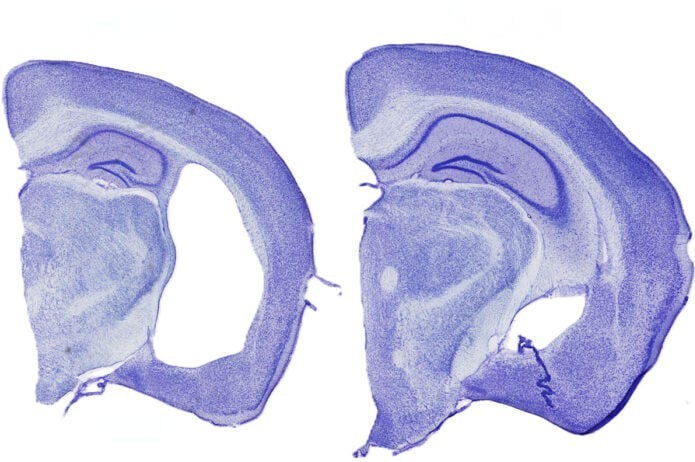
Removing these dendritic cells in mice eliminated elevated levels of T cells, particularly CD8 T cells, and reduced associated brain damage.
The intervention did not change the levels of tau tangles, but the mice retained their cognitive abilities.
“One of the issues in developing treatments for neurological diseases is that you need to engineer your treatment so that it gets into the brain and past the blood-brain barrier, but we might not actually need to get the drugs into the central nervous system to mitigate neurodegeneration,” said David M. Holtzman, MD, the study’s senior author.
“There are lots of ways to manipulate T cells that have been studied extensively and that are approved treatments for other diseases, but many haven’t yet been explored for neurodegenerative diseases.”
The researchers do not yet know what triggers dendritic cells to activate the T cells.
Holtzman said damage caused by tau protein buildup may release material that travels from the brain to lymph nodes in the neck, where dendritic cells identify it as a target.
The team is now investigating whether blocking dendritic cell activity later in life can produce similar results and is also seeking to identify the signals that direct T cells toward the brain.
“Until not that long ago, most people, including myself, did not think that the immune response was even involved in neurodegenerative diseases that are due to protein accumulation in the brain,” Holtzman said.
“That these dendritic cells are involved in neurodegenerative disease is exciting; we’ve shown they’re important, and that they are a potential target for future therapy.”