Mahdi Qeisari Nik, deputy for museums and cultural treasures of Astan Quds Razavi, said the museum had been closed following the onset of US-Israeli war of aggression against Iran on February 28 and the imposed war that led to the martyrdom of late Leader of the Islamic Revolution Ayatollah Seyed Ali Khamenei.
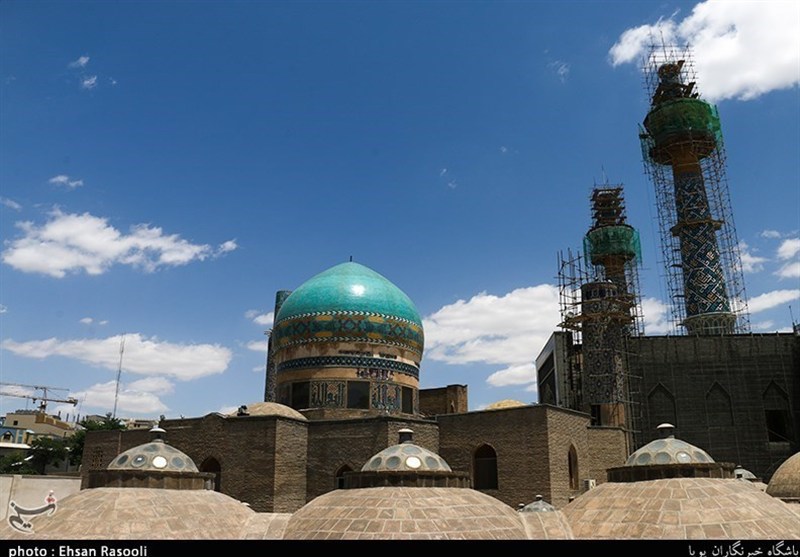
He noted that, in line with a decision by the Ministry of Cultural Heritage, Tourism and Handicrafts to resume services in historical urban areas and sites under its supervision, the Astan Quds Razavi also reopened the Mahdi-Qoli Beik Bathhouse on April 19, coinciding with Ten-Day Karamat celebrations.
The Ten-Day Karamat (generosity) refers to the first ten days of the month of Dhu al-Qa’dah. It begins with the birth anniversary of Hazrat Fatimah Masoumeh (SA) and concludes with the birth anniversary of Imam Ali ibn Musa al-Reza (AS).
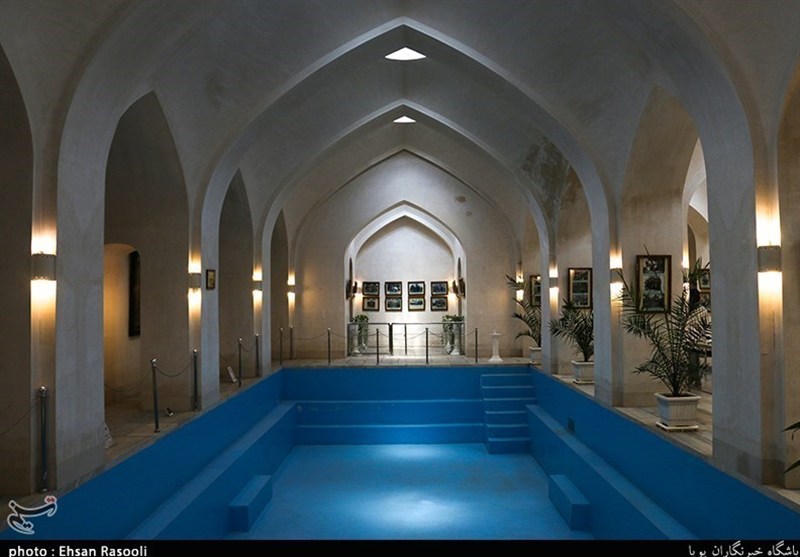
The official added that the museum, established in 2006 as a specialized museum in the historic Mahdi-Qoli Beik Bathhouse dating back to the Safavid era, is a valuable structure with a history of more than four centuries. He explained that the bathhouse was built in 1617 by order of Mahdi-Qoli Beik, the royal stable master of Shah Abbas Safavid, and was endowed for the use of pilgrims and residents of the holy shrine.
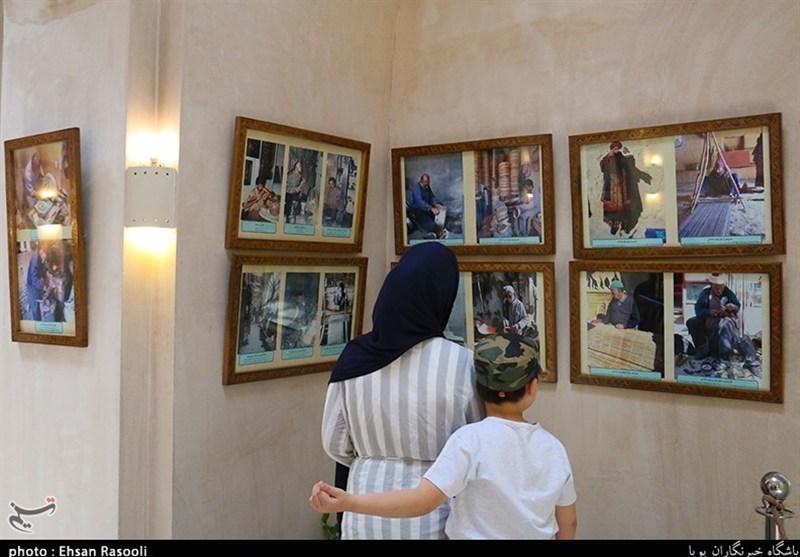
The most important feature of the museum is the historic bathhouse itself, which was registered as a national heritage site in 1997 and is considered one of the largest bathhouses in Iran, showcasing the distinctive architecture of traditional Iranian baths, Qeisari Nik added.
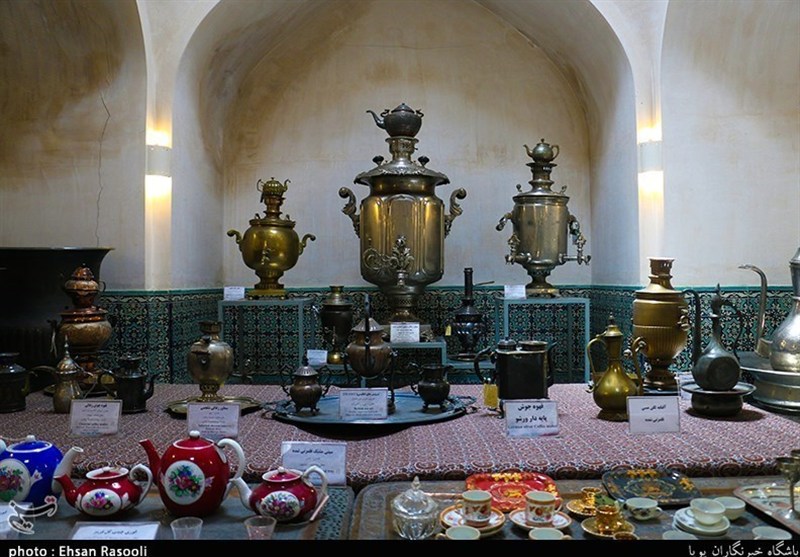
He noted that the complex consists of four main sections arranged with ethnographic and bath-related artifacts, saying its sarbineh (changing hall) features 13 layers of decorative paintings, with the oldest one dating back to the Safavid period and the most recent belonging to the Qajar era.