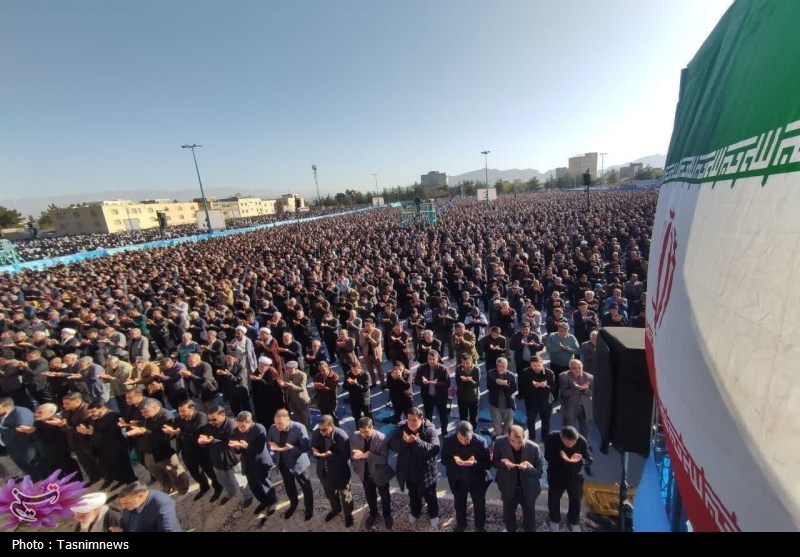
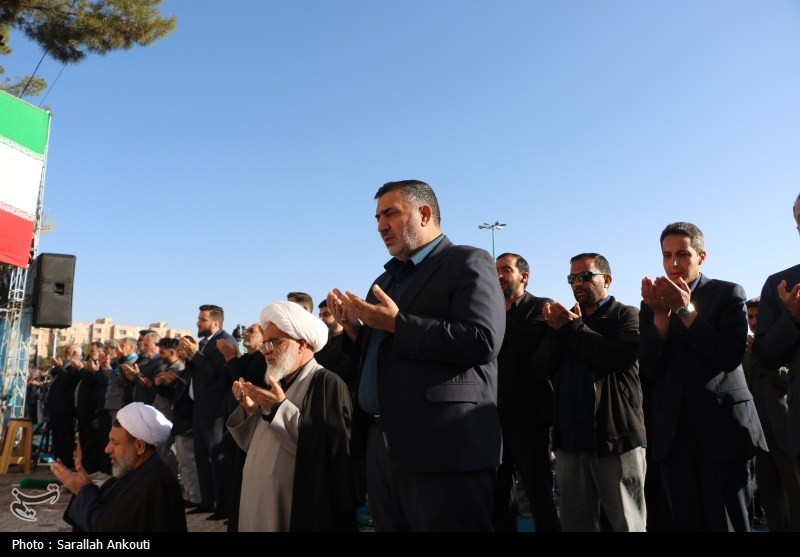
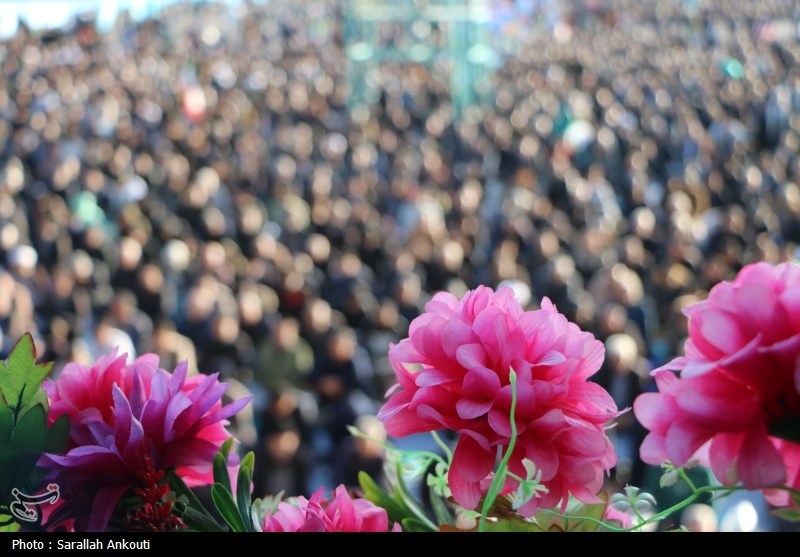
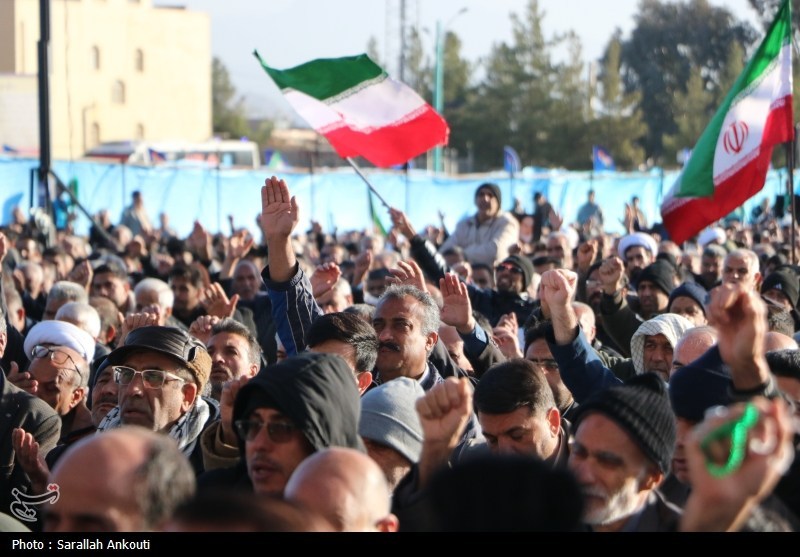
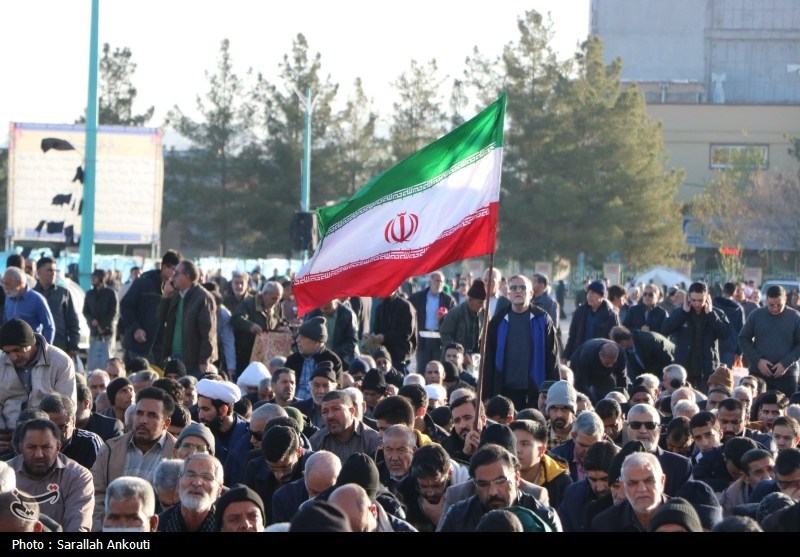
The gates of Tehran’s Grand Musallah opened at 4 a.m., with celebratory programs commencing at 6:30 a.m.
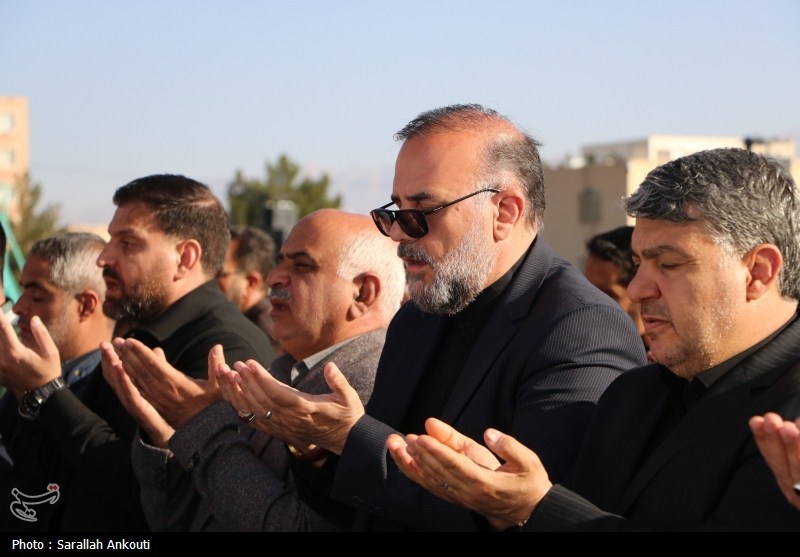
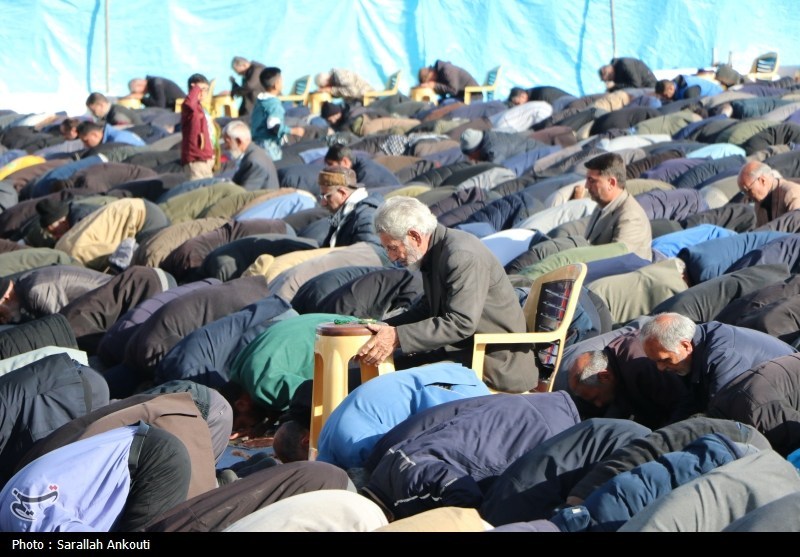
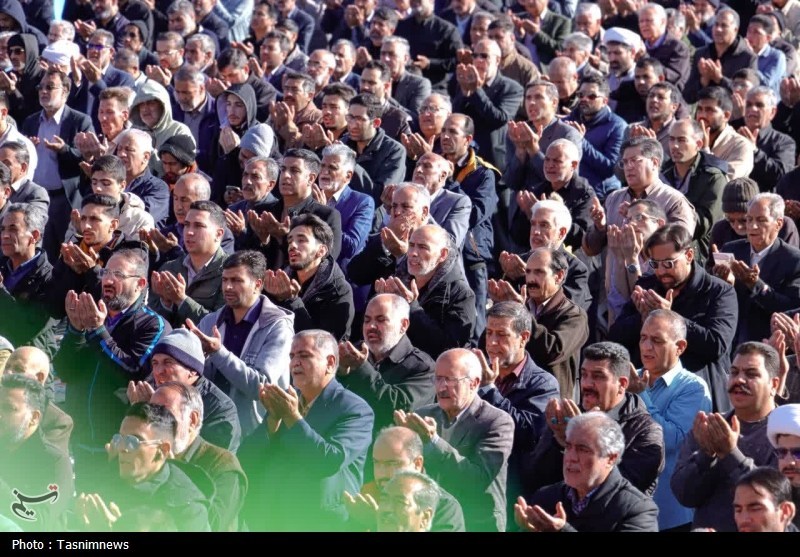
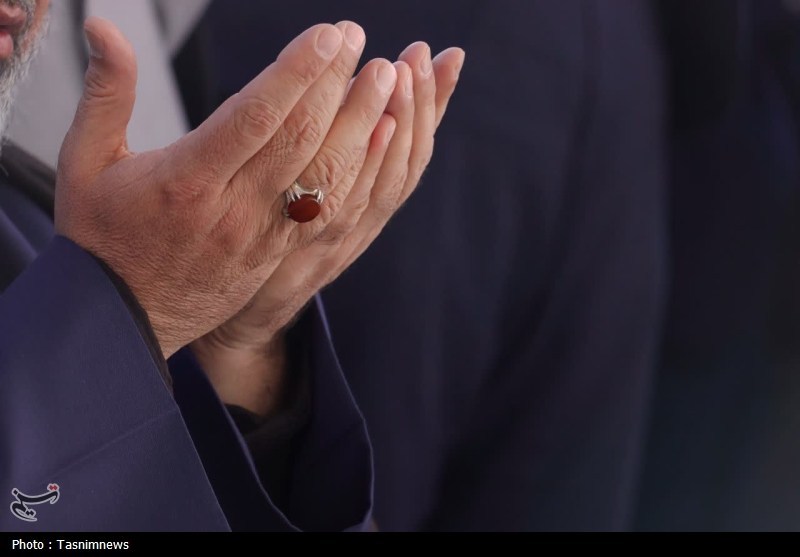
Eid prayers and sermons began at 8 a.m., local times, uniting worshippers in a collective act of devotion.
Eid al-Fitr signifies the end of Ramadan, the holiest month in Islam, as determined by religious authorities following the sighting of the new crescent moon of Shawwal.
The festival includes a special congregational prayer, traditionally held in open fields or large halls, emphasizing unity and gratitude.
Muslims are instructed in the Quran to fast until Ramadan’s final day and fulfill Zakat al-Fitr—a charitable offering—before participating in Eid prayers.
The holiday, known as the Feast of Breaking the Fast, prohibits fasting and celebrates the completion of 29 or 30 days of dawn-to-sunset abstinence.
While Iran observed Eid on Saturday, other Muslim-majority countries celebrated on Friday, reflecting regional differences in moon sightings.
The date of Eid al-Fitr is confirmed locally by religious leaders, leading to variations in observance across the Islamic world.
Eid al-Fitr is one of Islam’s most significant holidays, blending spiritual renewal with communal joy after a month of fasting and devotion.